
The Clearances and the Modern Chop
The AxBurke’s reflection on the Scottish Highland Clearances places corporate downsizing within a longer history of people displaced for greater returns from land and labor.
increasing Bearing strength in each event
 decreasing
Bearing strength in each eventdecreasingA History Remembered

A History Remembered
The Highland Example
Burke remembers studying the Scottish Highland Clearances, when tenants were removed from land to make room for more profitable sheep raising. The human displacement was described in language that could make inhabitants seem like part of the land being cleared.
A Definition That Sticks
The word “clearance” reveals how administrative phrasing can conceal what happens to people. Burke carries the definition into his own experience of workplace removal.
The Card Above the Desk
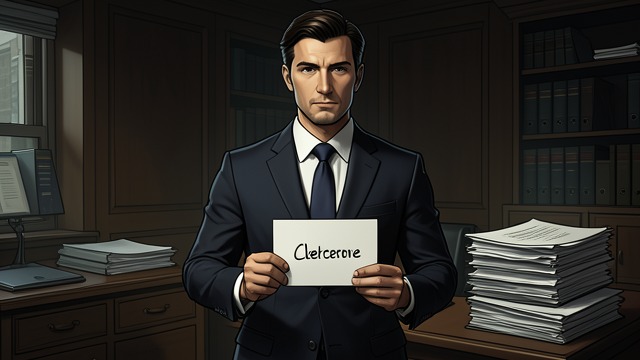
The Card Above the Desk
A Private Reminder
Burke keeps a card in his office quoting the dictionary definition of clearance. Its wording includes the removal of inhabitants alongside wood and old houses.
History Becomes Analogy
The card allows Burke to see his layoff as part of a pattern in which people are removed when another use promises more profit. It gives a historical frame to an injury that otherwise feels uniquely personal.
The Modern Landlord

The Modern Landlord
Ownership and Authority
Burke compares the old landlords who removed tenants with contemporary corporate owners who decide whether workers may remain at their desks. The employee’s loyalty cannot make the desk truly his.
Displacement Without a Home
Unlike a literal eviction, downsizing can remove a person from work while leaving mortgage, family, and expenses in place. The analogy highlights the power imbalance behind modern employment.
Sheep in the Corporate Story
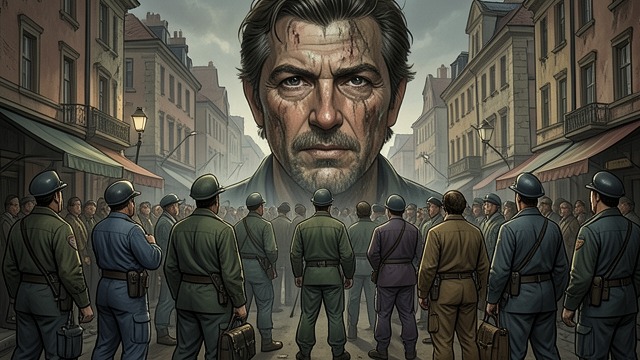
Sheep in the Corporate Story
People Replaced for Value
Burke imagines workers being exchanged for whatever promises greater economic return, just as tenants were displaced for sheep. Efficiency becomes the stated reason for treating human lives as replaceable.
The Analogy’s Danger
The historical comparison sharpens Burke’s anger, but it also helps him see applicants as rivals to be cleared away. A critique of dehumanization risks repeating the logic it condemns.
A Living Clearance
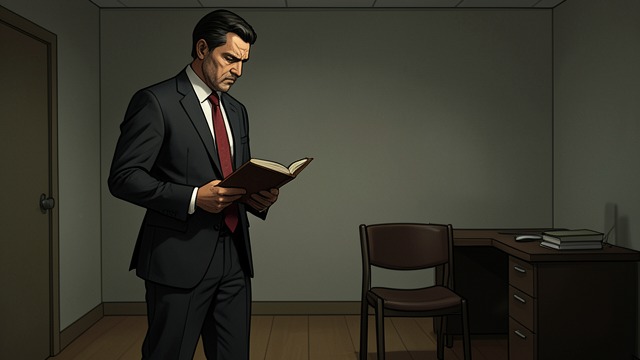
A Living Clearance
The Workplace Reappears
Arcadia’s vacancy offers Burke a possible return to the same professional world that removed him. His private campaign attempts to secure a place within an unstable structure rather than change it.
The Removal Continues
Burke’s success requires the removal of other people, echoing the clearance logic he uses to explain corporate downsizing. The novel leaves the parallel morally unresolved but sharply visible.
Burke’s college years, recalled in June 1997
June 1, 1997
June 1, 1997, during Burke’s reflection
June 1997, as Burke compares himself to displaced workers
July 1997
